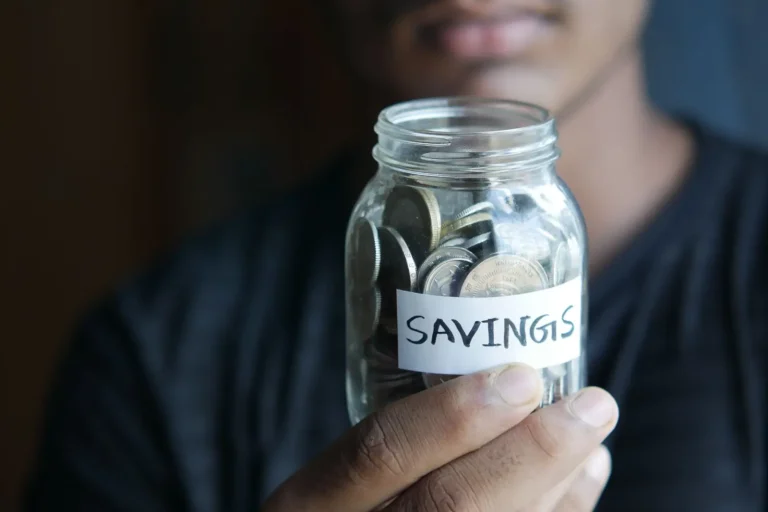


Most people think economic security means a steady job and a regular paycheck. After working with individuals across different income levels and career stages, I can tell you this is a narrow and often misleading view. The paycheck is the visible part, but it’s rarely the whole picture. Economic security, in practice, is about what happens when the paycheck stops, gets reduced, or becomes unreliable. It’s about the buffer between you and genuine hardship.
I’ve watched people with six-figure salaries experience real panic during a three-month job search, while others earning half that amount stayed calm through similar disruptions. The difference wasn’t the salary itself. It was what they had built around it.
When I talk about economic security with people who’ve actually maintained it through difficult periods, certain patterns emerge consistently. These aren’t theoretical concepts. They’re the structural elements that determine whether a financial disruption becomes a minor inconvenience or a crisis.
The actual components of stability
Emergency reserves are the most obvious piece, but most people get this wrong. They save three months of expenses and think they’re secure. In reality, three months is often the minimum to avoid immediate disaster, not true security. I’ve seen people with six months of savings still feel anxious because they haven’t thought through what happens after those six months run out. The real question isn’t how long your reserves last, but whether you can realistically rebuild income or reduce expenses before those reserves are exhausted.
Beyond cash reserves, economic security depends on skill portability. This is something I notice people rarely discuss openly, but it matters enormously. If your skills only work in one company, one industry, or one geographic market, your economic security is conditional on that market remaining stable and your employer remaining willing to pay. I’ve seen people in highly specialized roles discover this the hard way when their industry contracted or their company restructured. Conversely, people with skills that transfer across multiple contexts – even if they earn less – often sleep better at night.
Debt structure shapes security in ways that aren’t always obvious. Two people with identical incomes can have vastly different economic stability depending on what they owe and to whom. Fixed-rate debt on an asset that holds value is different from variable-rate consumer debt. Debt that can be paused or restructured during hardship is different from debt with rigid payment terms. I’ve observed that people with significant mortgage debt but minimal other obligations often feel more secure than people with smaller total debt spread across multiple creditors, because they understand the terms and have some flexibility if circumstances change.
What diversification actually means
Income diversification gets mentioned frequently but rarely understood well. Most people interpret this as side hustles or passive income, and while those can help, they’re not the only form of diversification that matters. I’ve seen people with one primary job but multiple potential income streams – freelance work, consulting, rental income, skill-based services – weather disruptions that would devastate someone entirely dependent on employment. But I’ve also seen people with side hustles that generate minimal income and require significant ongoing effort, which doesn’t actually improve their security much.
The meaningful form of diversification is having multiple credible ways to generate or preserve income if your primary source fails. This might be freelance work, but it might also be a professional network strong enough to lead to consulting opportunities, or skills valuable enough that contract work is available, or assets that generate income without active effort. The specifics vary by person and field. What matters is that the alternative income sources are realistic, not theoretical.
I’ve also noticed that people often overlook the security that comes from reduced expense flexibility. If you can live comfortably on 60 percent of your current income, your economic security is substantially higher than someone who can only cut back to 90 percent. This isn’t about deprivation. It’s about having proven to yourself that you can maintain a decent life on less. People who’ve done this – whether through deliberate practice or circumstance – carry a confidence that shows up in their decision-making and their stress levels during uncertain periods.
The role of knowledge and networks
Economic security also depends on knowing how to navigate systems. Understanding how unemployment insurance works, what your rights are as an employee, how to negotiate severance, or how to access community resources during hardship – these are forms of security that don’t appear on a balance sheet. I’ve watched people with modest savings navigate job loss smoothly because they understood the process, while others with larger reserves floundered because they didn’t know what steps to take or what support was available.
Professional networks function as economic security in a way that’s often invisible until you need them. A strong network doesn’t guarantee a job, but it substantially increases the speed at which you can find one. It provides access to information about opportunities, references that carry weight, and sometimes direct paths to employment that don’t require competing through formal channels. The people I know with the strongest economic security tend to have maintained their networks actively, not just when they needed something.
Health and the ability to maintain it also factor into economic security more than most financial discussions acknowledge. A serious health event can deplete savings quickly or reduce your earning capacity for months or years. People with good health insurance, access to preventive care, and some understanding of how to manage health costs have better economic security than those without, regardless of their savings balance. I’ve seen people with substantial assets become economically vulnerable after health crises because they didn’t understand their coverage or didn’t have the right insurance structure.
How security actually feels
When I talk with people who genuinely feel economically secure, certain themes recur. They can absorb a financial shock without it becoming a catastrophe. They can make decisions based on what they want to do rather than pure financial desperation. They can take time to find the right next opportunity rather than grabbing the first available option. They sleep better.
Conversely, people who lack genuine security often report high baseline anxiety about money, even when their income is objectively adequate. This isn’t a character flaw. It’s a rational response to structural vulnerability. If your entire financial stability depends on continuous employment at your current salary, that’s a precarious position, regardless of how much you currently earn.
Economic security isn’t a fixed destination. It’s a set of conditions that reduce vulnerability and increase your capacity to handle disruption. The paycheck is part of it, but only part. The real security comes from what you’ve built around it – the reserves, the skills, the networks, the flexibility, the knowledge. These elements interact. Someone with strong skills and networks might need less in reserves. Someone with substantial assets might be less concerned about income diversification. But the underlying principle is consistent: genuine security means you have options and buffers, not just income.