There’s a point that arrives quietly in many households where the math stops working. A parent needs help with daily tasks. A child requires ongoing therapy or supervision. An aging relative can no longer manage alone. The care exists, qualified people can provide it, but the monthly bill has become impossible to sustain. This isn’t a theoretical problem or a future concern – it’s a present-day rupture that forces families to make decisions they never anticipated having to make.
I’ve worked with enough families in this position to recognize the pattern. It rarely happens suddenly. Instead, it builds. A caregiver’s rate increases. Insurance coverage shrinks or expires. Hours expand because the person’s needs have changed. At some point, someone sits down with a calculator and realizes the cost now exceeds the household income, the savings, or what they can reasonably borrow. The decision tree collapses from dozens of options into a handful of uncomfortable ones.
What happens next depends heavily on what kind of care we’re talking about and what resources exist outside the immediate family. The experience of a family unable to afford in-home nursing care looks different from one unable to pay for regular tutoring or behavioral therapy. But there are common threads in how people adapt, what they sacrifice, and what often gets overlooked in the transition.
The Shift From Professional to Informal Care
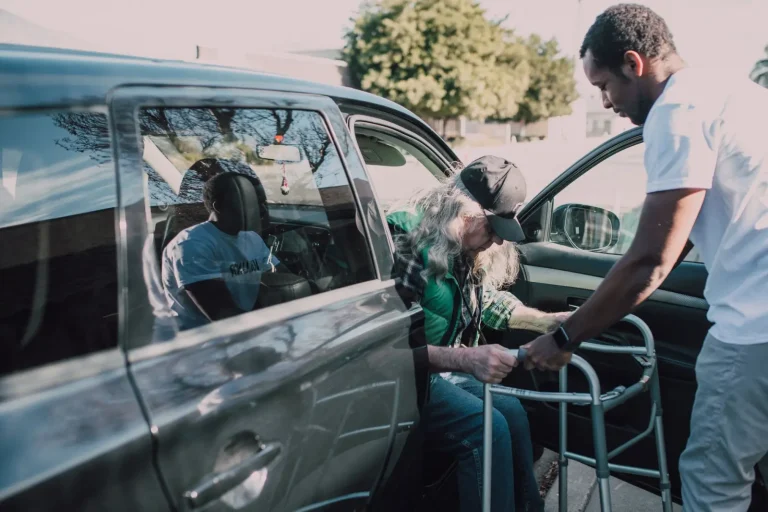
When paid care becomes unaffordable, the first move is almost always toward unpaid care. A family member steps in. This might be a parent leaving work to care for a child with special needs. It might be an adult child moving in with an aging parent. It might be a spouse taking on medical tasks they’ve never done before. The care doesn’t disappear – it just moves from a paid transaction to an unpaid one, usually landing on whoever has the most flexibility or the fewest alternatives.
This transition carries real costs that don’t show up on a bill. The person providing care now has less time for their own work, their own health, their own life. If they were employed, they may reduce hours or leave entirely. If they were planning to work, that plan often gets deferred indefinitely. The household loses income at the exact moment it was already stretched thin. Over time, this person may develop their own health problems from stress, physical strain, or simple neglect of their own needs.
I’ve seen situations where a family member becomes a competent caregiver through necessity and repetition. They learn how to manage medications, recognize warning signs, perform physical care tasks. But I’ve also seen situations where someone is thrust into a role they’re not equipped for – emotionally, physically, or practically. A spouse caring for a partner with dementia. A teenager helping manage a sibling’s medical condition. These aren’t ideal arrangements, but they become the default when the alternative is no care at all.
Reduced Frequency or Partial Services
Not all care is all-or-nothing. When full-time or regular paid care becomes impossible, families sometimes negotiate a reduced version. Instead of five days a week of in-home help, maybe it becomes two. Instead of weekly therapy sessions, it becomes monthly. Instead of full-time supervision, it becomes a few hours of support to allow the primary caregiver a break.
This approach can work in the short term, and it does provide some relief. But it also creates a middle ground where the person’s needs haven’t actually decreased – they’ve just become partially unmet. A child still needs therapy five times a week, but now receives it once. An aging parent still needs help with bathing and medication, but now gets it twice instead of five times. The gap between what’s needed and what’s available becomes a constant presence.
Families sometimes describe this as “making do,” and there’s a particular kind of exhaustion that comes with it. You’re still paying for care, still managing the logistics of appointments and coordination, but you’re also doing more of the work yourself. It’s not a clean solution. It’s a compromise that often means someone – usually the unpaid family caregiver – is managing the shortfall through their own labor and attention.
Accessing Community and Public Resources
When private pay care becomes impossible, some families discover or return to public systems. This might mean applying for Medicaid, accessing subsidized childcare, enrolling in school-based services, or connecting with nonprofit organizations that provide care or support at reduced cost. These systems exist in most places, but they’re often underutilized or unknown until necessity forces someone to look.
The challenge with public systems is that they rarely align perfectly with what a family actually needs. Eligibility rules are strict. Waitlists can be months or years long. The services offered may not match the specific needs of the person being cared for. A family might qualify for some support but not others. They might get help with childcare but not with medical care, or vice versa. The application process itself can be time-consuming and frustrating, requiring documentation and repeated interactions with bureaucracies that aren’t designed for speed or simplicity.
Still, for families who can navigate these systems, they can be genuinely stabilizing. Subsidized care, even if imperfect, is better than no care. School-based services for children with disabilities can provide structure and support that would otherwise cost thousands per month. Adult day programs for older adults or people with chronic conditions can provide supervision and social engagement while freeing family members to work or rest.
The Postponement and Deferral Pattern
One of the quieter consequences of unaffordable care is the postponement of other needs. When a family is already stretched thin paying for essential care, other things get pushed down the priority list. Medical appointments get delayed. Preventive care gets skipped. Dental work gets put off. Educational enrichment stops. Therapy for mental health issues might be deferred because the family is already paying for physical therapy or behavioral support for someone else.
This creates a secondary problem that often isn’t visible until much later. A child doesn’t get their eyes checked, and their school performance suffers. An older adult’s hearing loss goes unaddressed, leading to social isolation. A parent’s depression goes untreated because the family’s resources are committed elsewhere. These deferrals can compound over time, creating new problems that eventually require even more care and cost.
When Institutional Care Becomes the Only Option
For some families, the point comes where home-based care – whether paid or unpaid – is no longer feasible. The person’s needs have become too complex, too physically demanding, or too specialized. At this point, institutional care becomes the alternative: a nursing home, assisted living facility, group home, or residential treatment program. This is often framed as a last resort, but it’s sometimes the most realistic option when informal care has become unsafe or impossible.
The irony is that institutional care isn’t always cheaper than home-based care, and it’s often more expensive. But it can be covered by insurance or public programs in ways that home care isn’t. A family might find that they can afford a nursing home bed through Medicare or Medicaid when they couldn’t afford a home health aide. The economics work differently, even if the total cost to the system is higher.
What I’ve observed is that families reach this decision point with a mix of relief and guilt. Relief because the physical and emotional burden of managing care at home has become unsustainable. Guilt because there’s a cultural narrative that says family members should be able to handle this themselves, that institutional care is somehow a failure. In reality, it’s often a practical recognition that the person’s needs have outpaced what any family can reasonably provide.
The Long-Term Wear on Family Systems
The period when care is unaffordable and families are improvising solutions tends to be marked by stress that doesn’t always show up in obvious ways. There’s financial stress, obviously. But there’s also relational stress. The person providing unpaid care may resent the burden. Other family members may disagree about how to handle the situation. The person receiving care may feel like a burden themselves, which creates its own emotional weight.
Over months or years, this wear accumulates. I’ve seen marriages strained by the decision to have one spouse leave work to provide care. I’ve seen sibling relationships damaged by disagreements about how to manage a parent’s care. I’ve seen adult children experience burnout from caregiving that was supposed to be temporary but became permanent. These aren’t minor inconveniences – they’re significant life disruptions that ripple through families in ways that are hard to quantify but very real to live through.
What often gets missed in discussions about affordable care is that the problem isn’t just financial. It’s structural. When a family’s income can’t cover the care a person needs, the system doesn’t have a clean solution. The family has to improvise, sacrifice, and adapt. Some families do this more successfully than others, but all of them are managing a fundamental mismatch between needs and resources. That mismatch doesn’t resolve itself. It just gets managed, usually at significant cost to someone in the family system.